
preloader

Every Move You Make Changes
Both Worlds.

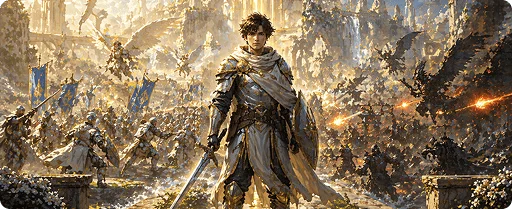
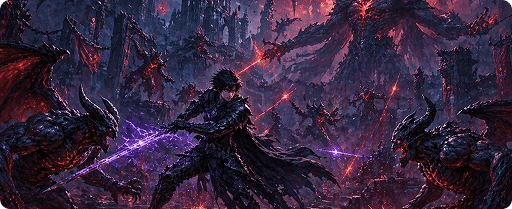
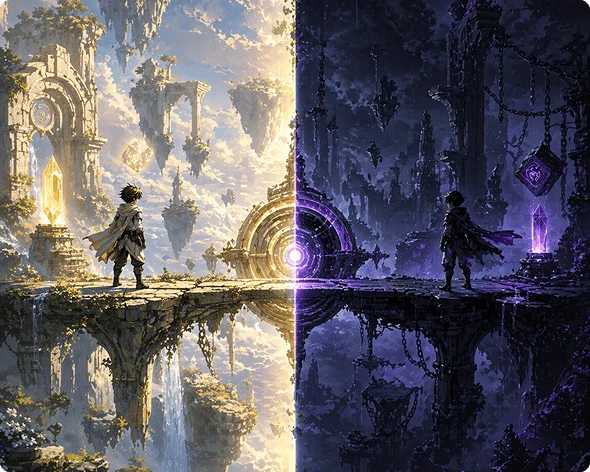
There are two worlds.
They exist in the same place — but never at the same time. In DigitalCrossing: Parallel Worlds,
you move through intersections where reality shifts.
One step changes everything.
One decision exists in both worlds.
See How It Works

Where Worlds Intersect

At certain points, the worlds overlap.
These are crossings.

Only there, you can switch between layers.
Only there, you can understand how one world affects the other.

The challenge is not movement.
It's awareness.

Think In Two Layers

So here's what makes this tricky — every puzzle you're working on?
It's playing out simultaneously in both worlds.

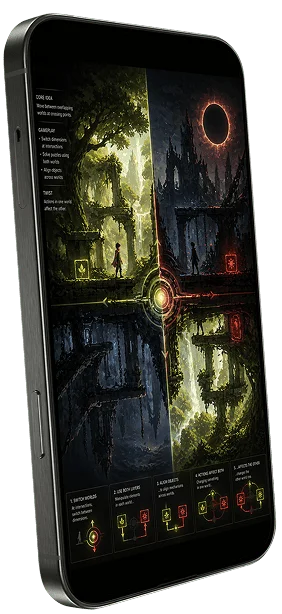
Core mechanics:

Move through a simple grid or structure
Switch worlds at crossing points
Align objects, paths, or positions across both layers
Solve by understanding how both realities connect

Additional line:

What works in one world may fail in the other.

Nothing Happens in Isolation

But here's the thing that really got me hooked — whatever you do in one world doesn't just stay there.

Move a block in one world — it shifts something in the other. Open a path here — you may close it somewhere else.

I remember the exact moment it clicked - I was stuck on this one puzzle for like 20 minutes, and then suddenly I got it and just went 'ohhhh!' It's one of those games where the 'aha' moments feel really satisfying.

A Puzzle About Perception

This is not a fast game.
There is no pressure to rush.

You observe.
You switch.
You understand.

The satisfaction comes from seeing the connection between two worlds that were never meant to align easily.

FAQ

1.

What kind of game is this?

So you're basically jumping between these two parallel worlds, and yeah, the puzzles can be pretty mind-bending. But it's the good kind of brain hurt, you know?

2.

Is it difficult to learn?

Not at all! The controls are super straightforward — it's figuring out how these two worlds mess with each other that'll keep you thinking.

3.

Do I need fast reactions?

No. The game is based on thinking and observation, not speed.

4.

Is there only one solution?

Most of the time there's just one way we intended for you to solve it, but honestly? Players keep surprising us by finding totally different solutions we never even considered. Once you get the hang of how it all works, the rest becomes way easier.